Our craft
Dry-Aged Prime Meats
Dry aging is the quiet art of patience. Under controlled temperature, humidity and airflow, prime beef transforms — becoming richer, more tender, and unmistakably itself.
Why dry aging matters
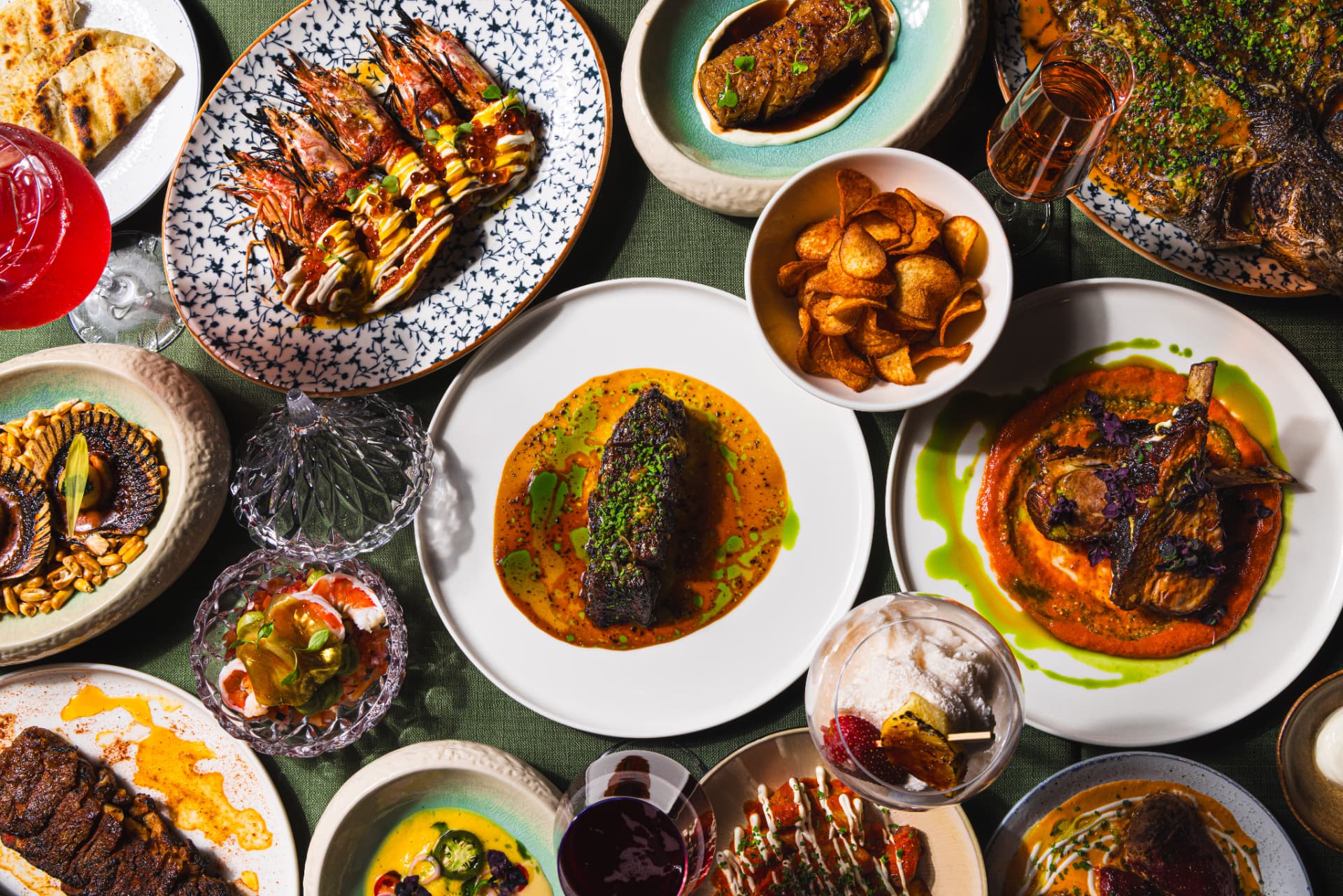
Fresh beef and aged beef are different ingredients. During dry aging, two things happen: water evaporates, concentrating the natural beef flavour; and the beef's own enzymes slowly break down connective tissue, creating tenderness.
The result is a cut that is darker in colour, more fragrant, and far more complex on the palate. It is not better for everyone — but for those who love depth, it is the only way to eat prime beef.
The process
From selection to plate
Selection
We begin with prime cuts chosen for their fat coverage, marbling, and muscle structure. Only the right candidates are selected for the long rest ahead.
Resting
In a dedicated climate-controlled cabinet, beef is aged for 21 to 45 days. Moisture slowly evaporates, concentrating flavour, while natural enzymes tenderise the meat.
Trimming
After aging, the exterior is carefully trimmed to reveal the dense, flavourful core beneath. The waste is significant, but the result is worth it.
Cooking
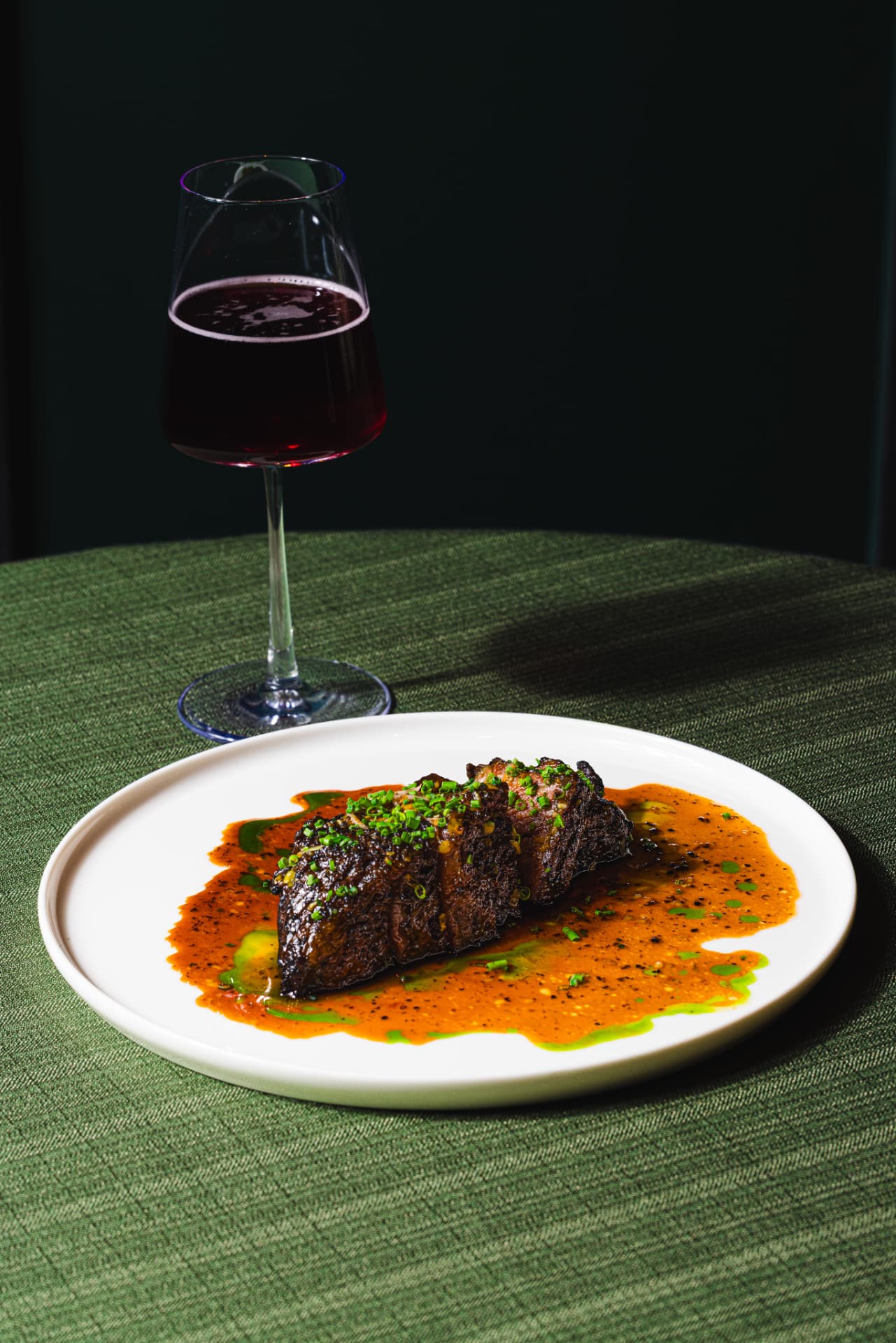
The trimmed beef is seasoned simply and cooked over intense heat — seared, rested, and sliced so every bite carries the full depth of the aging process.
Tableside carving
For our larger dry-aged roasts and prime ribs, we bring the theatre to you. The joint is presented at the table, carved to order, and served with the trimmings and sauces that suit the cut.
It is a ritual that turns a great piece of meat into a shared occasion — one of the experiences that defines The Margin.
On the menu
What to expect
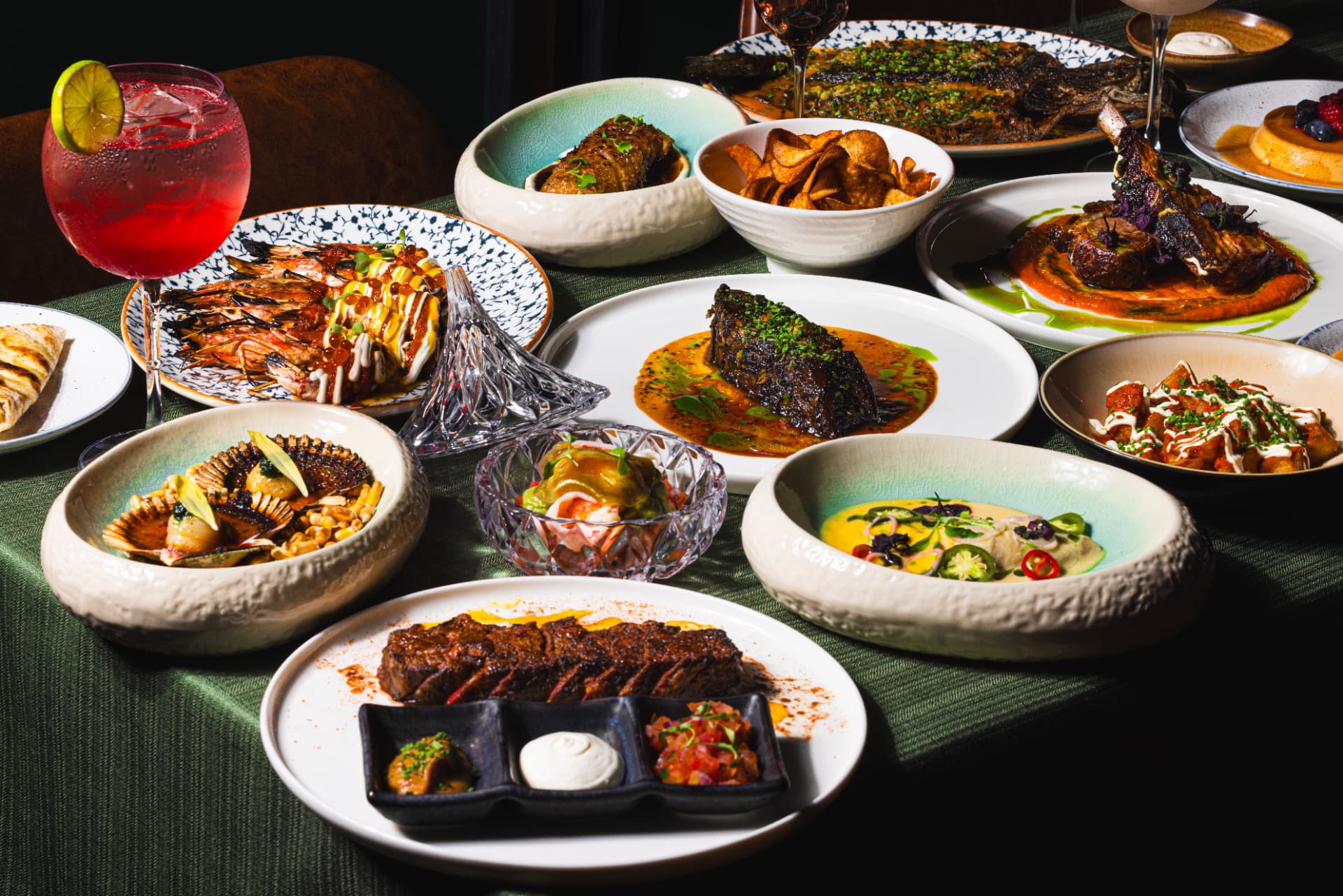
Our dry-aged selection changes with availability and the season. Look for ribeye, porterhouse, and bone-in cuts, all finished in the style that suits them best.
Pair your cut with our sauces, seasonal sides, and a bottle from the wine list for a complete meal.